
The Execution Gap
Where projects lose control — and costs and liability escalate.
Plans don’t fail on paper.
They fail in execution.
This is where projects drift off track.
Where delays, incidents and losses begin.
It is not caused by missing procedures.
It emerges when:
- Schedules compress
- Workfronts multiply
- Contractors overlap
- Responsibilities blur
- Site conditions evolve faster than controls can adapt
This is where loss of control begins.
Why the Execution Gap Exists
Modern projects are increasingly complex.
Temporary worksites, mobile operations and parallel activities create dynamic environments where safety systems designed during planning phases are stretched during execution.
At the same time:
- Internal HSE teams are often distributed across multiple areas
- Supervisors are overloaded during peak phases
- Interface responsibilities become fragmented
- Early warning signals go unnoticed
The result is predictable:
- Minor deviations escalate into incidents.
- Operational momentum is lost.
Not because safety systems are missing but because field control is under pressure.
Where Traditional HSE Stops
Most safety structures focus on:
- Planning
- Documentation
- Compliance
- Audits
These functions are essential.
But they usually sit outside the live execution.
They do not supervise real-time workfront interactions.
They do not manage evolving contractor interfaces.
They do not stabilise operations during high-pressure phases.
This leaves a gap.
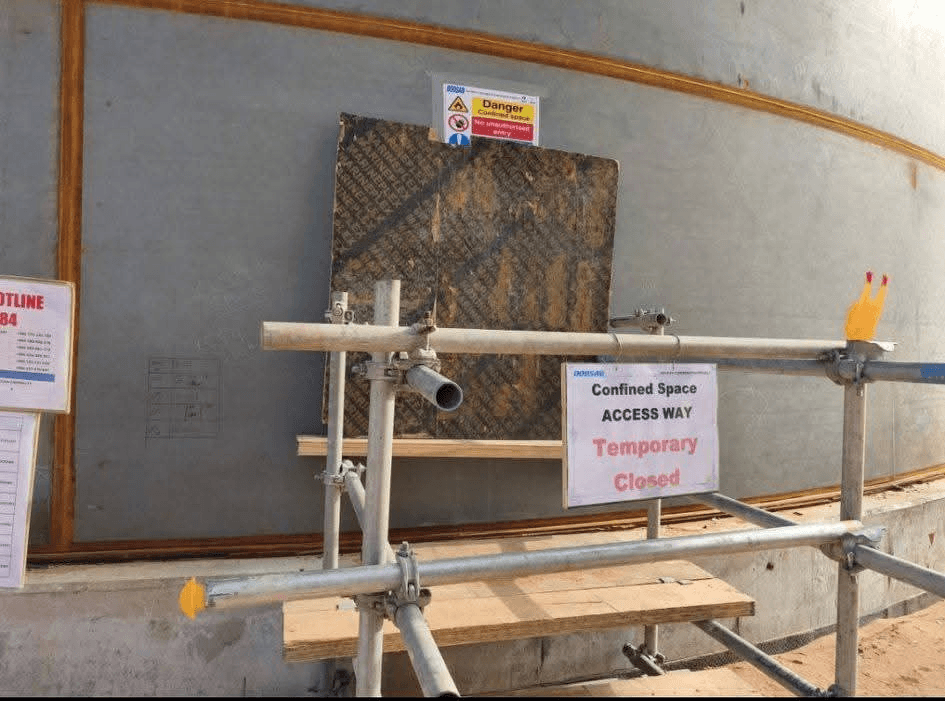
Consequences of the Execution Gap
When execution control weakens, projects may experience:
- Worksite incidents and near misses
- Delays caused by safety stand-downs
- Coordination breakdown between contractors
- Escalating operational risk during high-activity phases
- Reduced confidence from clients and stakeholders
Every uncontrolled risk becomes a cost. HSEWIDE stops it on site — before it impacts operations, finances, or reputation.
Protecting Continuity
Controlling Cost
Safeguarding Reputation
HSEWIDE exists for the moments when projects are most exposed:
Parallel workfronts
SIMOPS environments
Shutdowns and restarts
Parallel workfronts
Commissioning phases
Temporary and mobile worksites
We support safe, controlled delivery when operational conditions are changing in real time, precisely where procedures alone are no longer sufficient.
How HSEWIDE Fills the Execution Gap
Procedures don’t fail — execution does.
HSEWIDE closes that gap by bringing real-time control to where risk actually materialises on site, during live work.
While traditional HSE focuses on planning, documentation, and periodic oversight, HSEWIDE operates inside the execution phase — where conditions change, pressure builds, and decisions must be made instantly.
What HSEWIDE Does Differently
Transforms procedures into action
Ensures controls are actively applied on site — not just documented.
Maintains control during critical phases
Provides continuous supervision during high-risk, high-pressure operations.
Manages risk in real time
Identifies and corrects deviations before they escalate into incidents or delays.
Enforces discipline across all work fronts
Aligns contractors under consistent, visible safety control.
HSEWIDE turns plans into control — on site, in real time.
Even well-structured HSE systems can weaken under these conditions – not due to poor planning, but due to reduced visibility at the point of work.
The result is early loss-of-control indicators:
- Inconsistent application of controls
- Communication breakdown at interfaces
- Permit discipline erosion
- Escalation of minor deviations
- Increased exposure to unplanned stoppages or incidents
This is not a documentation issue.
It is an execution-phase challenge.


From Fragmented Responsibility to Total Control
When responsibility is fragmented, control is lost.
HSEWIDE brings unified, on-site control where risk actually exists.
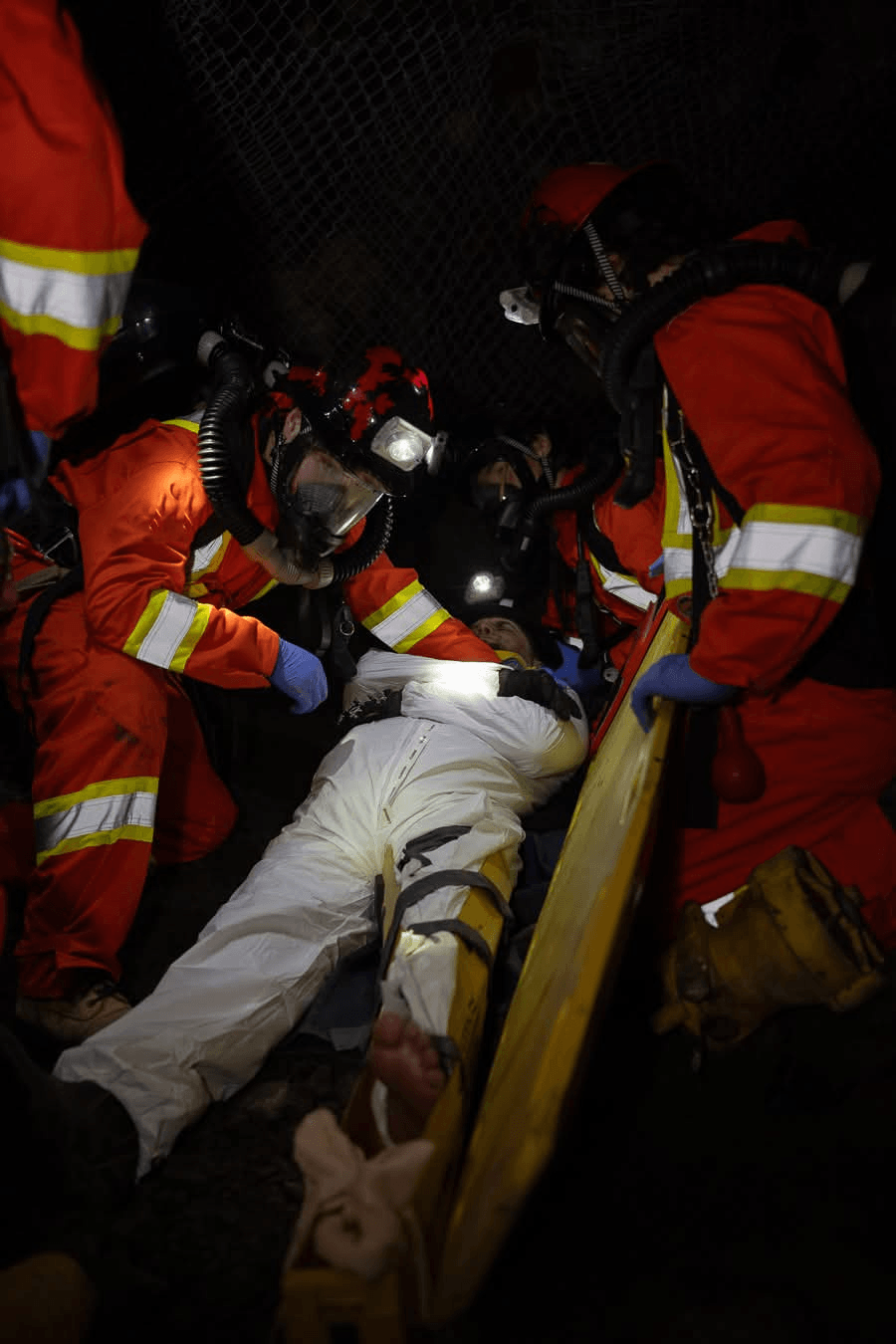
Medical Support & Rescue — Still a Missing Link in Many High-Risk Projects
In high-risk operations, safety systems and supervision are often well established.
However, when incidents occur, a critical gap remains — the integration of on-site medical support and rescue within live operations.
Medical response is still frequently treated as separate from safety execution.
Rescue plans exist, but real-time capability is not always aligned with the pace and complexity of the work.
When something goes wrong, this disconnect becomes clear.
Delayed response, fragmented coordination, and lack of immediate capability increase consequences and disrupt operations.
In these environments, seconds matter.
Integrating safety supervision with medical and rescue capability ensures faster response, better control, and continuity of operations — exactly when it matters most.
HSEWIDE closes this gap by integrating HSE supervision, medical support, and rescue readiness directly on-site. Our dual-role professionals operate at the point of execution — ensuring immediate response capability, coordinated intervention, and effective control when conditions change or incidents occur.
Control Where it Matters Most
When work is live, risks don’t wait – and neither should control.
HSEWIDE ensures continous on-site presence, actively managing risk at the point of execution.
Because in high-risk projects, performance depends on what happens in real-time – not on what was planned.
We bring:
- Immediate on-site presence – when and where it matters
- Real-time risk control – not delayed reporting
- Early intervention – before issues escalate
- Execution kept under control – even under pressure
- Seamless integration with ongoing operations
- Consistent control across all active work fronts
Because when work is live, control is everything.

Execution-Phase Stability
HSEWIDE supports clients during the most exposed phases through independent field supervision, not consulting.
By reinforcing safety control at the point of work, we help stabilize live operations and reduce the likelihood of escalation into incidents or unplanned stoppages.
The execution gap cannot be closed through documentation alone.
It requires presence.